Tech vs Truth
Cutting through the noise in fertility innovation. We examine what truly improves outcomes and what’s simply packaged as progress.
Epigenetics and Fertility: What It Actually Means for Your IVF Journey
Epigenetics affects egg, sperm, and embryo development in ways separate from your DNA. Here's what it means for your fertility treatment and what's actually in your control.

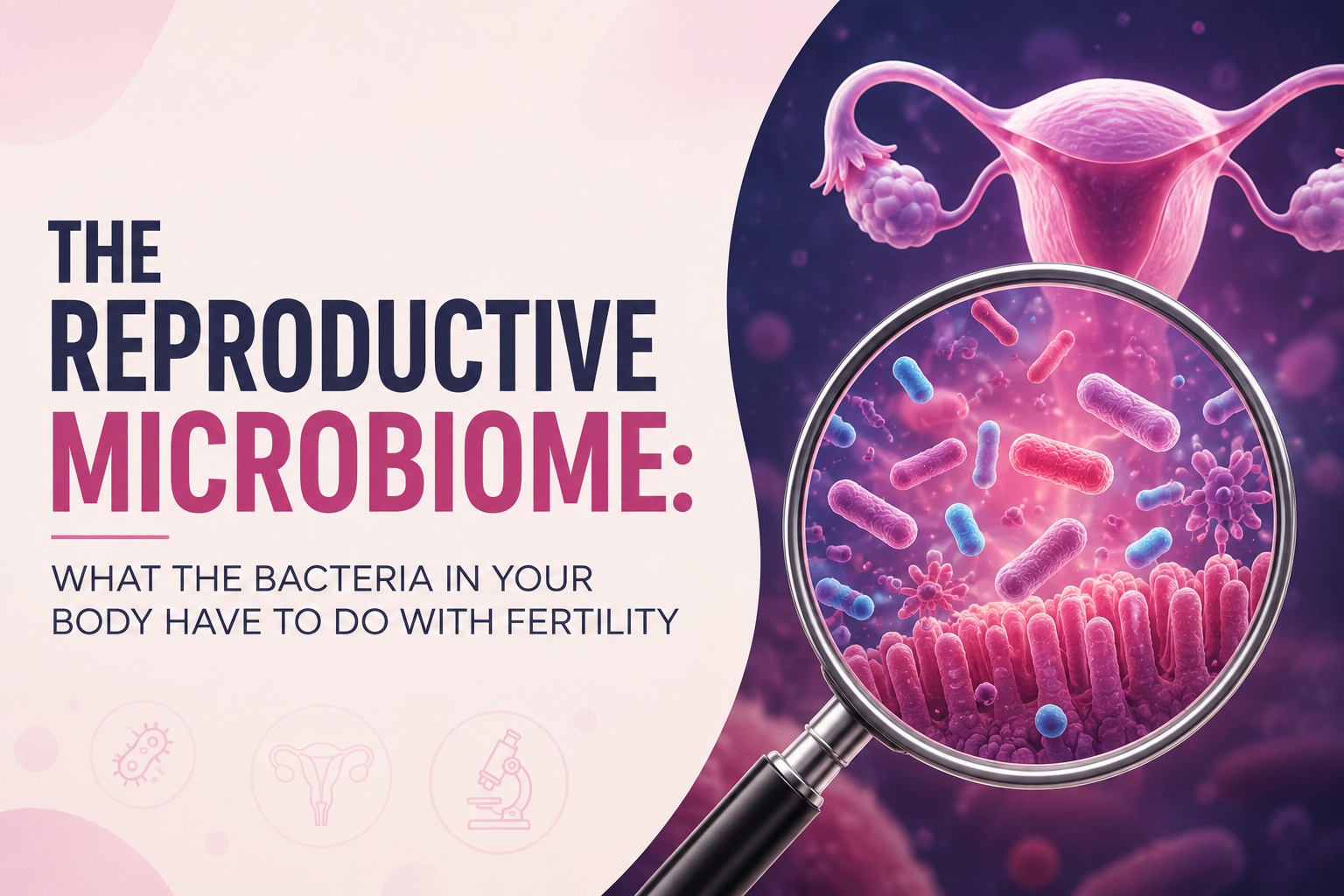
The Reproductive Microbiome: What the Bacteria in Your Body Have to Do With Fertility
Your vaginal and uterine microbiome may influence IVF success. Here's what the research actually shows, and what's worth asking your specialist.
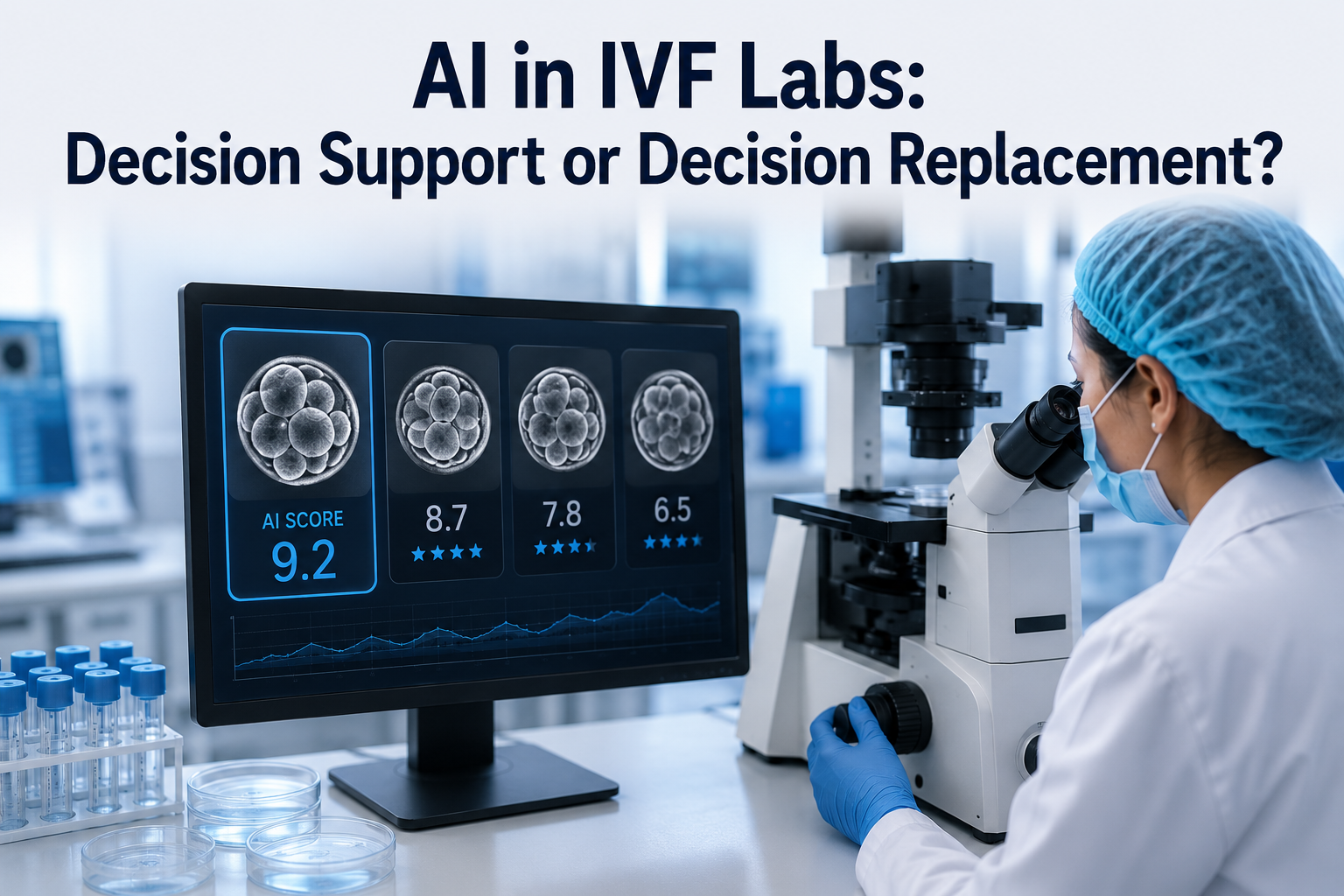
AI in IVF Labs: Decision Support or Decision Replacement?
Artificial intelligence is becoming an increasingly visible part of IVF laboratories, but its role is often misunderstood. This article explores how AI supports embryo assessment, where it can improve consistency and efficiency, and why it cannot replace the expertise of embryologists and fertility specialists. Understanding the balance between technology and human judgment can help patients ask better questions and make more informed decisions about their fertility care.
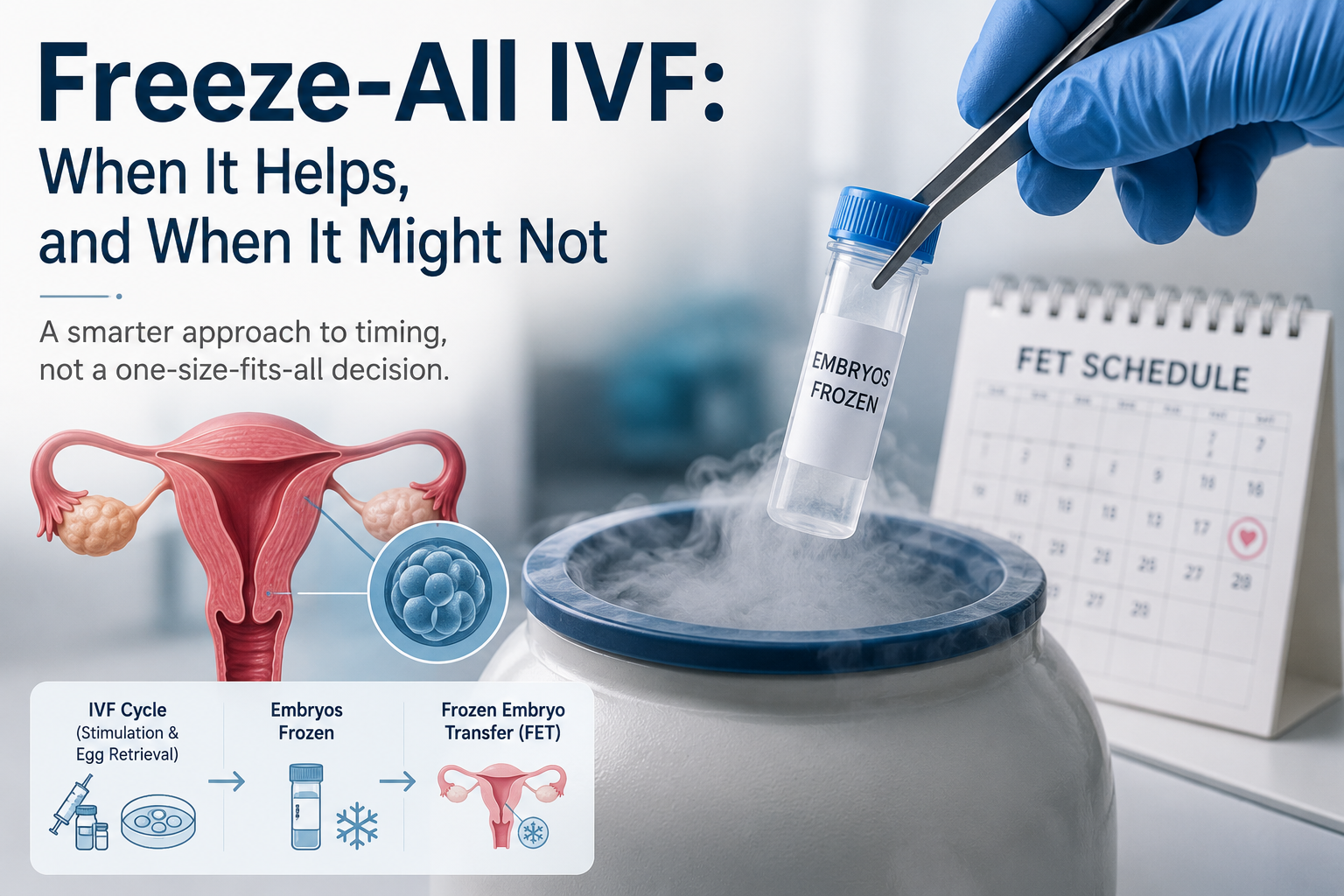
Freeze-All IVF: When It Helps, and When It Might Not
Freeze-all IVF has become increasingly common in fertility treatment, but it is not the right approach for every patient. This article explores when freezing all embryos can improve safety and outcomes, where the evidence remains mixed, and why treatment decisions should be guided by individual circumstances rather than routine protocols. Understanding the reasoning behind a freeze-all recommendation can help patients make more informed choices about their IVF journey.
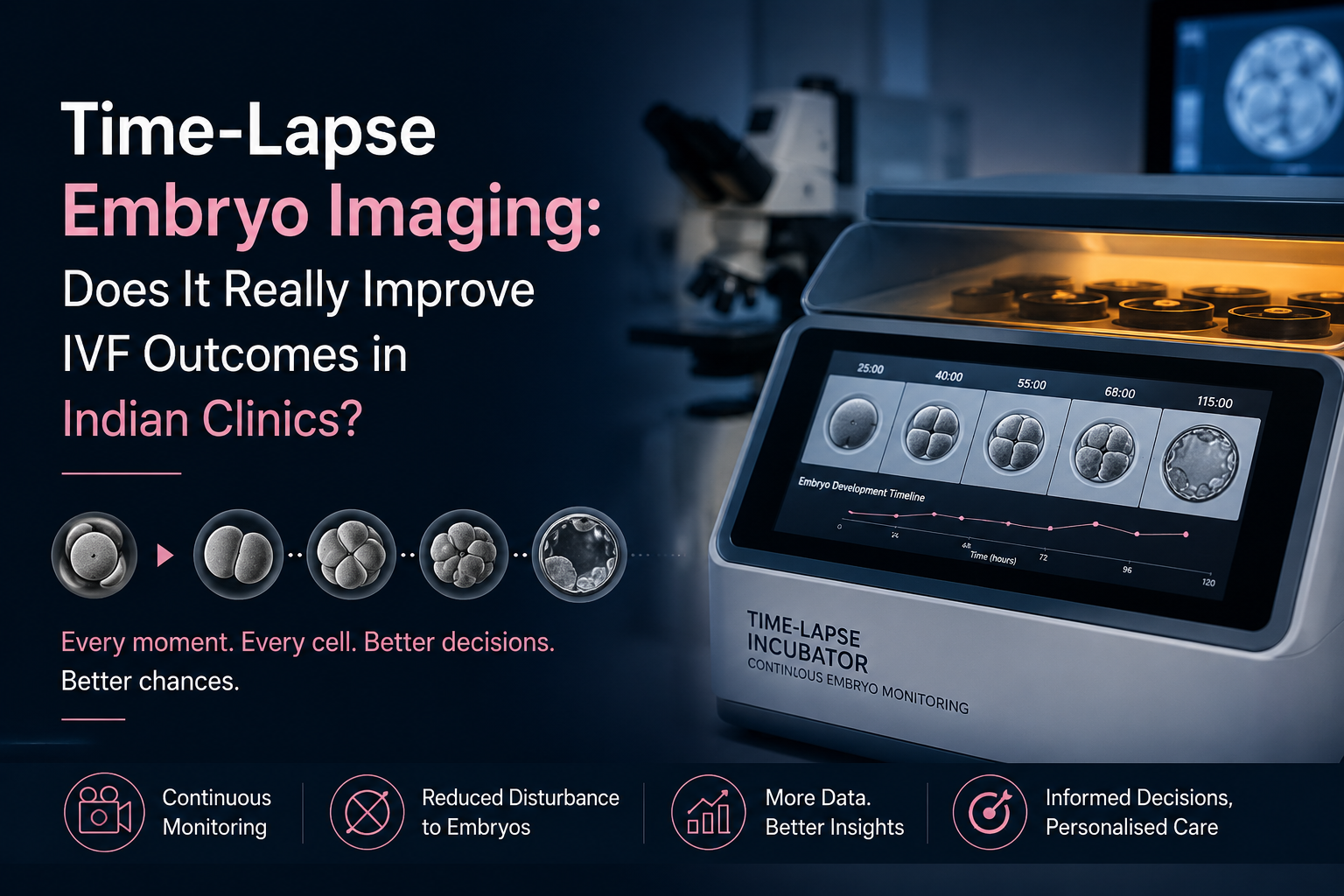
Time-Lapse Embryo Imaging: Does It Really Improve IVF Outcomes in Indian Clinics?
Time-lapse embryo imaging allows IVF labs to continuously monitor embryo development without disturbing the incubation environment. While the technology offers more detailed observation and may improve consistency in embryo assessment, current evidence showing significantly higher live birth rates remains limited. This article explores what time-lapse imaging actually does, where it may be useful, and why better technology does not always guarantee better IVF outcomes.
AI in IVF: Are Algorithms Really Improving Success Rates or Just Selling Hope?
Artificial intelligence is increasingly being used in IVF to support embryo selection and improve lab consistency, but its real impact on success rates is still evolving. While AI can analyse large amounts of data and assist embryologists, it does not replace medical expertise or guarantee better outcomes. For patients, it’s best viewed as a helpful tool—not a breakthrough solution—within a complex fertility journey.

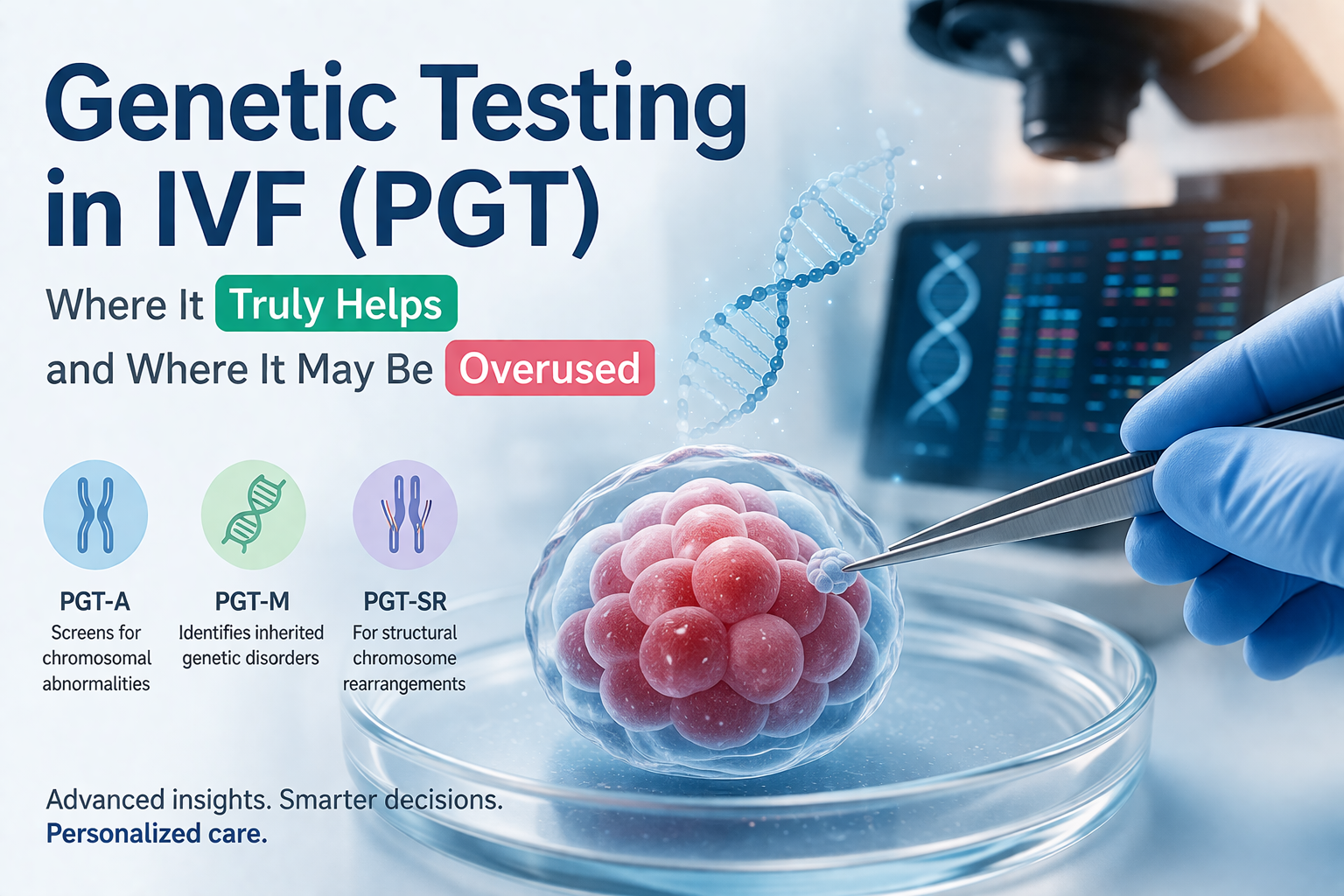
Genetic Testing in IVF: Where PGT Genuinely Helps and Where It May Be Overused
Genetic testing (PGT) in IVF can help identify embryos with chromosomal or inherited conditions, especially for patients with known risks. However, its routine use—particularly PGT-A for all patients—is debated, as it does not benefit everyone equally. While it can reduce certain risks, PGT does not guarantee success, and should be used based on individual medical needs rather than as a standard step.